Creator Tips
Why Your TikTok Videos Sound Bad (And the $55 Fix)
The 3-Second Rule
TikTok's algorithm measures something called "watch time completion rate" — what percentage of viewers watch your video all the way through.
The first 3 seconds determine whether someone keeps watching or scrolls. And the most common reason people scroll in those first 3 seconds isn't bad visuals. It's bad audio.
Here's why your phone mic is killing your TikToks.
The Physics of Phone Microphones
Your phone's microphone is located at the bottom edge of the device. When you hold your phone at arm's length to film yourself, the mic is:
The result: muffled, echo-y, "recording-in-a-bathroom" audio that signals to viewers within 2 seconds that this is amateur content.
Why This Matters More Than Video Quality
Viewers will tolerate 1080p over 4K. They will not tolerate bad audio.
The neuroscience is pretty clear: humans process audio quality as a proxy for credibility and effort. A video that sounds professional signals that the creator takes their work seriously — even if the visual quality is identical.
In A/B tests run by creators who upgraded their audio, watch time consistently improved. Not by 5–10%. By 30–50%.
The Fix: A Wireless Clip-On Mic
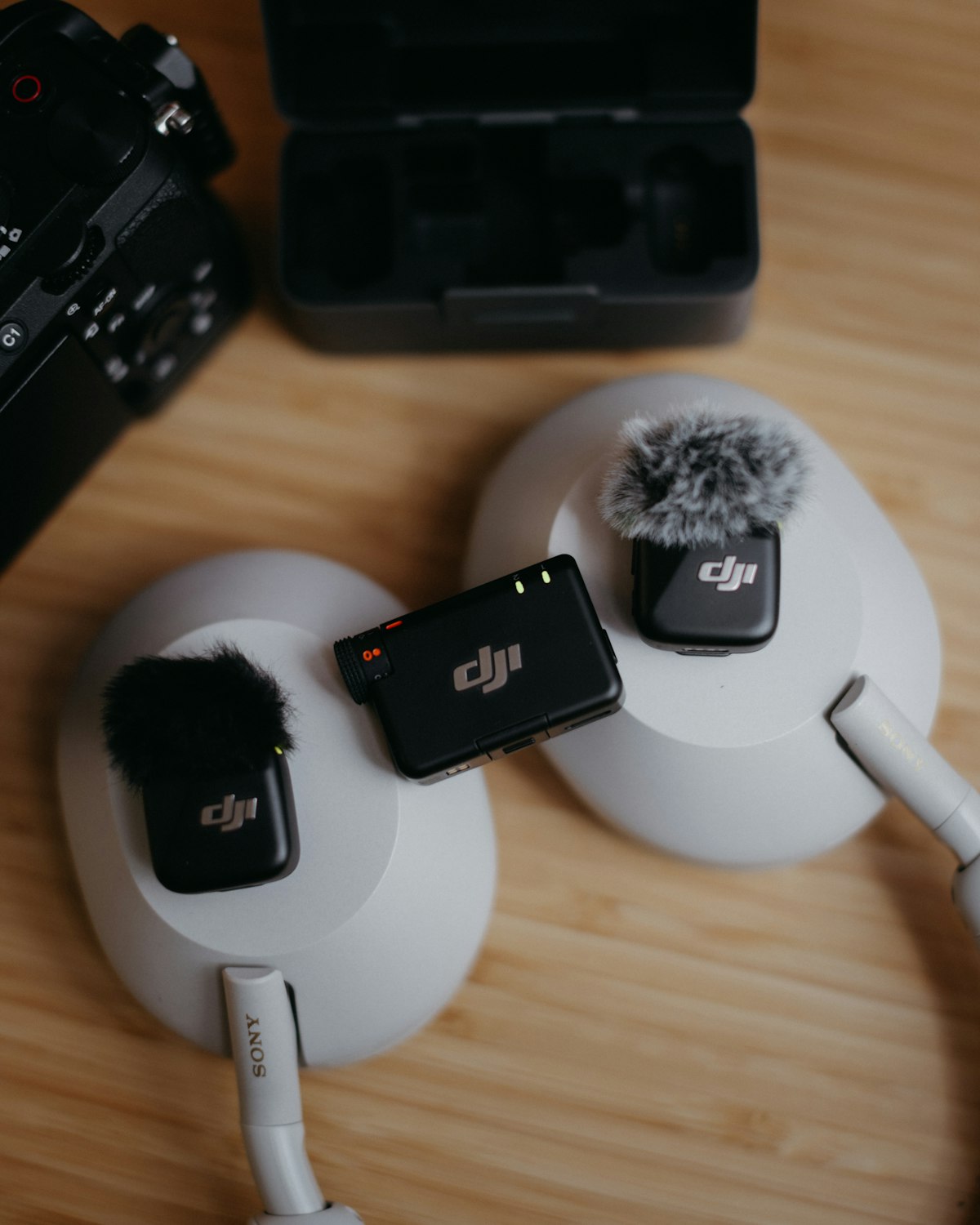
A wireless lapel mic solves every problem with your phone mic:
Distance — The transmitter clips to your collar, putting the mic 4–6 inches from your mouth instead of 18–24 inches.
Noise rejection — Close-proximity mics naturally reject background noise because your voice is so much louder relative to the ambient sound.
Freedom — Because it's wireless, you can move around, gesture, and present naturally. No cable pulling at your phone.
The Wireless Lapel Mic Pro costs $54.99 — less than a single sponsored post would earn you once your audio improves.
Setup is 10 seconds: plug in, clip on, record.
→ Fix your TikTok audio for $54.99 — free shipping
Real Creator Results
After switching from phone mic to a wireless lapel mic:
Your content ideas are already good. Your delivery is already good. The audio is the one technical variable that's holding back the metrics.